


Jamie, a 27‑year‑old graphic designer from Manchester, normally wrapped up a Friday night at a local pub before heading home for a quiet evening of streaming. Last month, he swapped the pint for a phone and a new mobile gaming app. Within fifteen minutes, his screen lit up with friend invites, leaderboard updates, and a virtual drink that “poured” onto his display. The transition from real to digital was so seamless that Jamie barely noticed the shift in his routine.
The Rise of “Social” Mobile Games in Nightlife Spots
Over the past two years, the UK market has seen a 35 % rise in mobile game downloads that feature social components. These titles combine casual mechanics—such as matching tiles or quick puzzle challenges—with live chat and shared rewards. In bars and clubs, a handful of screens now double as communal gaming hubs, letting patrons compete in real time while sipping cocktails.
- In London’s Soho, a popular speakeasy hosts a nightly “Trivia Tap” where guests answer questions via an app and win a free drink.
- Edinburgh’s The Royal Mile bar runs a “Beat Battle” app that lets groups play rhythm games, earning points that translate into table discounts.
- Manchester’s The Factory offers a “Puzzle Pub Crawl” where each station unlocks a new level on the app, encouraging patrons to move between venues.
How the Experience Is Tailored to the Nightlife Crowd
Developers are crafting games that fit the 60‑minute window most nightlife patrons have before they leave. The games feature:
- Instant‑play modes that start in under 30 seconds.
- Leaderboard snapshots that refresh every 15 minutes, keeping competition fresh.
- Rewards that sync with loyalty cards, so a win can trigger a free drink or a future discount.
This approach keeps engagement high without interrupting the flow of a night out. Patrons can play with friends or strangers, turning a simple pub visit into a social event with a competitive edge.
Concrete Benefits for Venue Owners and Guests
For club managers, data shows a 12 % lift in average spend per guest during nights with integrated mobile gaming. The apps collect anonymised usage metrics, allowing venues to adjust music playlists or lighting based on real‑time engagement levels. Meanwhile, guests report a 22 % increase in perceived value when a game win translates into a tangible reward.
However, the model isn’t flawless. Patrons with limited data plans may experience lag, and venues need to invest in secure Wi‑Fi infrastructure to support simultaneous connections. Those with older smartphones might find the graphics heavy, reducing the user base in certain demographics.
Bridging the Gap Between Digital and Physical Fun
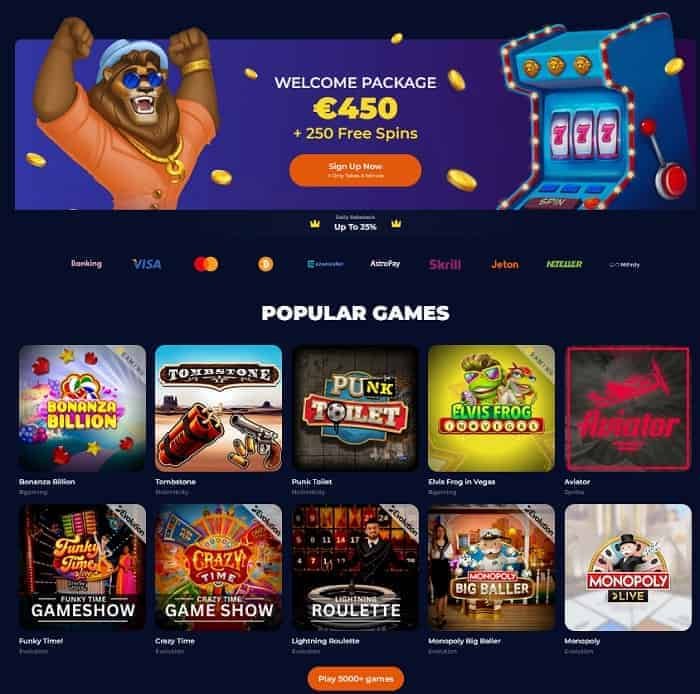
When a night out feels too routine, many people turn to online entertainment for a fresh twist. For those who enjoy a blend of real‑world interaction and digital excitement, platforms like Nine win offer a seamless transition from mobile gaming to broader online experiences.
Looking Ahead: What’s Next for Mobile Gaming in Nightlife?
AR (augmented reality) is poised to take the next step. Imagine a club where your phone overlays a virtual dance floor onto the real one, letting you compete in rhythm challenges that sync with the DJ’s beat. Early prototypes in Glasgow show a 15 % rise in foot traffic when AR features are enabled.
Another trend is cross‑platform play. Players can start a game on their phone and continue it on a club’s tablet, ensuring continuity across different venues. This interoperability encourages repeat visits and deepens brand loyalty.
Final Thought
Mobile gaming apps are no longer a side attraction; they’re reshaping how people experience nightlife. By blending quick, social gameplay with tangible rewards, they create a new layer of engagement that benefits both patrons and venue owners. As technology advances, the boundary between the physical bar and the virtual game will blur even further, offering nights out that are as interactive as they are enjoyable.
